
Ready to learn about local ecology!
What's this?
River's Park Edge and its partners are pleased to offer all visitors a fun, educational challenge to locate ecological clues thoughout the park.
Learn more
Levee
Levees are physical barriers, usually made of earth or cement.
They are built along the banks of waterways, designed to contain water during flooding events. When you are at River’s Edge Park, you are standing on a levee. This 29-mile levee was designed and constructed by the U.S. Army Corps of Engineers in the mid-1900s.
Scroll to learn more
Prev NextWhat else can I find?
River's Park Edge is home to many points of interest. But if you found this information interesting, keep seeking out more clues.
Seek for more ecology clues
Rivers flood during high water volume events.
Flooding is a natural process that shapes rivers and floodplains – the land adjacent to the river. Unaltered floodplains have wetlands that can absorb and hold flood waters. As we build on a river’s floodplain, we reduce its ability to absorb water and put ourselves and property at risk.
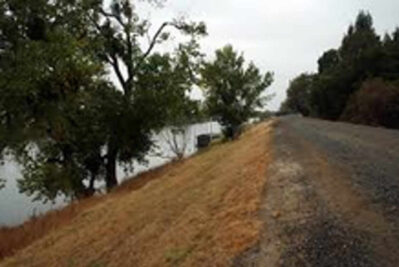
Levees are one flood mitigation strategy. Investing in flood mitigation strategies is important for anyone living in the floodplain. In addition to physical structures like levees, strategies such as green infrastructure – including rain gardens, regional stormwater ponds, and restored riparian wetlands upstream of cities – can help manage water and reduce flooding. Learn to build your own rain garden here.
Despite mitigation efforts, the Missouri River will flood again. It’s smart to be prepared for flood conditions. Learn flood planning steps from the Council Bluffs Levee Program.