
Ready to learn about local ecology!
What's this?
River's Park Edge and its partners are pleased to offer all visitors a fun, educational challenge to locate ecological clues thoughout the park.
Learn more
Insects
Insects are some of the most diverse and abundant creatures on Earth. They may be small, but they are essential to life as we know it, performing critical roles that keep ecosystems healthy and balanced.
Scroll to learn more
Prev NextWhat else can I find?
River's Park Edge is home to many points of interest. But if you found this information interesting, keep seeking out more clues.
Seek for more ecology clues
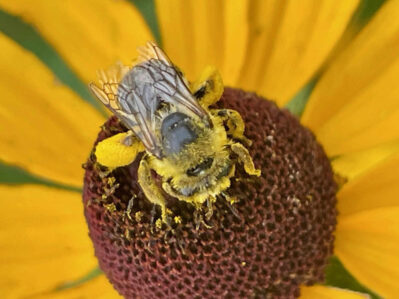
Pollination: Many plants rely on insects to move pollen from flower to flower so they can produce seeds and fruit. Bees, butterflies, beetles, and even some flies are vital pollinators, supporting not only wild plants but also the crops that provide our food. About one-third of the food we eat – including apples, blueberries, cucumbers, tomatoes, almonds, and cocoa beans that make chocolate – are pollinated by insects.
Decomposition: Insects like beetles, ants, and flies break down dead plants, fallen leaves, and animal remains. By recycling these materials, they return nutrients to the soil, helping new plants grow and keeping ecosystems healthy. Nature’s cleanup crew works quietly but tirelessly!
Food Source: Insects are an essential part of the food web. Birds, reptiles, amphibians, fish, and many mammals rely on them for energy and survival. Even the smallest insects support larger animals, making them a cornerstone of thriving ecosystems.
Take a closer look in the park – you’ll see insects at work everywhere, quietly maintaining the health of our world.
Did you know that you can take a college-level entomology class for free online? Sign up for Bugs 101!