
Ready to learn about local ecology!
What's this?
River's Park Edge and its partners are pleased to offer all visitors a fun, educational challenge to locate ecological clues thoughout the park.
Learn more
Honey locust trees
Gleditsia triacanthos
The honey locust tree is commonly found around River’s Edge Park. This tree is native to Iowa’s prairies and river valleys. They grow quickly, reaching heights of 80 feet, and thrive in a variety of soils, including the loess and floodplain soils found along the Missouri River.
Prev NextWhat else can I find?
River's Park Edge is home to many points of interest. But if you found this information interesting, keep seeking out more clues.
Seek for more ecology clues
Honey locusts are easily recognized by their small, feathery leaflets and, on wild trees, their long, sharp thorns.
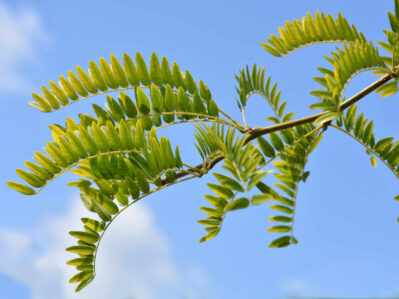
In the fall, the tree produces long, twisting seed pods filled with sweet pulp. Deer, squirrels, and birds enjoy the seeds, while pollinators are attracted to the tree’s fragrant flowers in late spring.
These trees provide shade, shelter, and food for wildlife, and their deep roots help stabilize soil and reduce erosion, making them important for floodplain health. Honey locusts are also widely planted in urban areas for their beauty, resilience, and ability to thrive in challenging conditions.
Next time you spot a honey locust, notice its delicate leaves, twisting seed pods, and role in supporting both Iowa’s natural landscapes and the wildlife that call them home.